
Harmonizing the Mind and Body: Yoga Sequences for Stress Relief and Resilience🧘♀️
Katimera Ng | APR 23, 2024
katimerayoga
yoga
stress
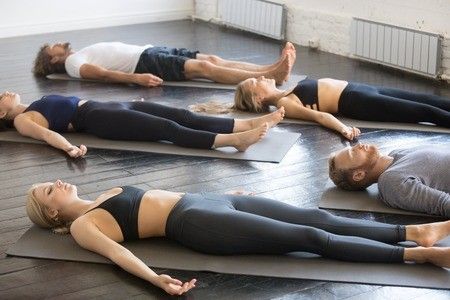
In the midst of life's chaos and demands, finding moments of peace and tranquility is essential for maintaining our well-being. Fortunately, yoga offers a sanctuary of serenity, providing powerful tools to combat stress and cultivate resilience.
In this blog post, we'll explore specific yoga sequences and practices tailored to address common stressors and promote relaxation and inner strength.
1. Calming the Mind and Body with Gentle Flow
Begin your yoga practice with a gentle flow sequence to calm the mind and release tension from the body. Start in a comfortable seated position, focusing on deep, rhythmic breathing to center yourself.
Then, gradually transition into gentle movements, such as Cat-Cow stretches, Child's Pose, and Seated Forward Folds. Flowing through these poses mindfully, syncing movement with breath, can help alleviate physical and mental tension, promoting relaxation and ease.
2. Grounding and Stability with Standing Poses
Standing poses offer a sense of grounding and stability, anchoring us in the present moment and cultivating resilience in the face of stress. Incorporate poses such as Mountain Pose (Tadasana), Warrior I and II (Virabhadrasana I and II), and Tree Pose (Vrksasana) into your practice.
Focus on rooting down through your feet, engaging your core, and maintaining steady, conscious breathing. These poses build strength, balance, and confidence, helping you feel more grounded and centered amidst life's challenges.
3. Releasing Tension with Forward Folds and Twists
Forward folds and twists are effective for releasing tension stored in the body, particularly in the back, shoulders, and hips. Incorporate poses like Standing Forward Fold (Uttanasana), Seated Forward Fold (Paschimottanasana), and Supine Spinal Twist (Supta Matsyendrasana) into your practice.
With each exhale, allow yourself to surrender deeper into the pose, letting go of physical and mental tension. These poses also stimulate the parasympathetic nervous system, promoting relaxation and stress relief.
4. Soothing the Nervous System with Restorative Yoga
Restorative yoga offers profound relaxation and rejuvenation for both the body and mind, making it an ideal practice for stress relief. Utilize props such as bolsters, blankets, and blocks to support your body in gentle, passive poses.
Incorporate poses like Supported Child's Pose, Legs-Up-The-Wall Pose, and Reclining Bound Angle Pose (Supta Baddha Konasana) into your practice.
Stay in each pose for several minutes, allowing yourself to fully surrender and unwind. Restorative yoga calms the nervous system, reduces cortisol levels, and promotes deep relaxation, fostering resilience and inner peace.
5. Cultivating Mindfulness and Meditation
Conclude your yoga practice with mindfulness and meditation to further deepen relaxation and resilience. Find a comfortable seated position or lie down in Corpse Pose (Savasana). Close your eyes and focus on your breath, observing each inhale and exhale with awareness.
Alternatively, practice guided meditation techniques, such as body scans or loving-kindness meditation, to cultivate a sense of inner calm and compassion. Regular meditation strengthens the mind-body connection, enhances emotional regulation, and cultivates resilience in the face of stressors.
Conclusion: Harnessing the Power of Yoga for Stress Relief
Incorporating targeted yoga sequences and practices into your daily routine can be a transformative tool for managing stress and promoting relaxation and resilience.
Whether you're flowing through gentle movements, grounding standing poses, releasing tension with forward folds and twists, indulging in restorative poses, or cultivating mindfulness through meditation, each aspect of your yoga practice contributes to your overall well-being.
Remember that the true essence of yoga lies not in achieving perfection in poses, but in cultivating self-awareness, compassion, and inner peace. As you explore these sequences and practices, honor your body's needs, listen to your intuition, and approach your practice with an open heart and mind.
Embrace yoga as a lifelong journey of self-discovery and self-care, and let its transformative power guide you towards greater well-being and resilience in every aspect of your life.
Aside, I would love to share some of my free lessons on my YouTube Channel that help in stress relief.
Katimera Ng | APR 23, 2024
Share this blog post

 OfferingTree